Music streaming services like Spotify are harming smaller creators in the industry.
 “Streaming Music – Music Service – Smartphone” by perspec_photo88 is licensed under CC BY-SA 2.0


Music has been a constant presence throughout our modern history, and as technology and trends have changed, the way we consume it has also changed. Our shelves were once filled with vinyl taking up lots of space and existing in a very stationary way and holding a cost for each album we wanted to own. As time went on we began to use tapes, and then CDs allowing us to bring our music with us, causing major changes in the industry. Then came along the mp3 player. Now, at first this player didn’t change that much, at a cost per song downloaded the industry functioned in a very similar way to the other mediums previously used. However, this technology as it morphed from a separate music technology, to being present on our phones with a constant connection, brought about the creation of streaming services.
 “HearU Music” by Yi Mao is licensed under CC BY-NC-ND 4.0

This new system completely changed the market for music. No longer was it a one time purchase but income now is generated by monthly streams, making visibility as an artist extremely important. Now, some would say this is great for artists as they can make more money in the long run by eliminating the single purchase system.
Clearly, the amount an artist makes is directly tied to each month’s performance. Not just of that artist, but of their publisher and the entire streaming service as a whole.
Forbes 2016
As this Forbes article mentions this month to month set up as opposed to singular sales can really effect the potential income for an artist. While for major artists it can have a very positive impact, allowing them to make a larger income for a longer stretch of time, it does the exact opposite for small artists. Where a smaller artist was making the same amount off of a song sale as the bigger one before, now their incomes are absolutely incomparable. A local band cannot generate the millions of streams a month that pop stars are and without the income of iTunes purchases, this seriously effects their ability to keep producing music. This further separates the gap between big and small artists and makes it that much more difficult to break into the music industry.
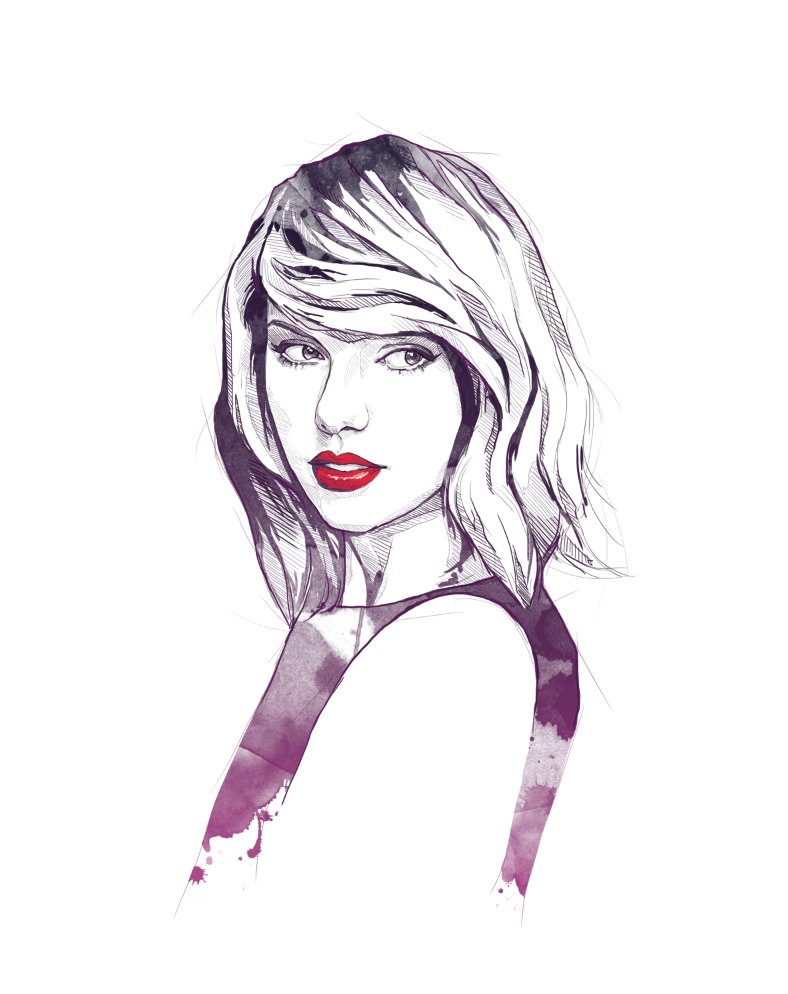 “Taylor Swift” by Chelsea Peters is licensed under CC BY-NC 4.0
This is why the Taylor Swift affair is a genuinely dangerous moment for Spotify, which is used to artists including Adele, Coldplay and Beyoncé “windowing” their new albums: keeping them off streaming services for a few months after release to maximise sales of CDs and downloads.
The Guardian 2014
For those who remember a time when Taylor Swift was nowhere to be found on Spotify, we can see that even major artists that would be making a significant income from the service are dissatisfied with the set up. It is clear that members of the industry wholly prefer a model of direct payment for downloads rather than the streaming set up.
What we really are trying to do is move people away from piracy into a legal model that contributes revenue back to the music industry. It’s really that simple, and I think the key is by creating more convenient products.
NPR 2011
The CEO of Spotify, as quoted by NPR presses that Spotify is, in fact helping the music industry. Many have argued that the service decreases the number of illegal downloads that was plaguing the industry before. While it is true the cases of illegal download have decreased, there is the argument that the service has done more harm then good. By saving one area of revenue in the illegal downloads, they have also cut another area of revenue. Overall it is clear that streaming services will not be leaving the music industry any time soon as they grow in popularity every year. The question then is not how to ditch the system, but rather how can it be reformed so that it can truly support all aspects of the music industry rather than hurting them.
 Brooke Strausbaugh- My Story on the Web